When you look at history, there are a few moments where everything seems to change—how people think, how they learn, and how they share ideas. The Renaissance is one of those moments. So is the invention of the printing press.
Imagine living in a world where knowledge existed, but access to it was limited. Before the printing press, books were copied by hand, making them expensive, rare, and available mainly to scholars, religious institutions, and the wealthy. Then, in the 1440s, Johannes Gutenberg introduced the printing press, an invention that transformed human history.
At the same time, Europe was experiencing another great transformation: the Renaissance. The Renaissance was not just about art and music. It was a change in the way people thought about the world and themselves. People became more curious, questioned old assumptions, and sought knowledge in science, literature, philosophy, and the arts. Classical texts inspired new ways of thinking, while writers, artists, and scholars explored human potential in unprecedented ways.
“The printing press helped spread ideas quickly and contributed to major social, political, and cultural changes throughout Europe.”
The printing press did far more than make books. It enabled the rapid spread of ideas about religion, history, science, poetry, art, and everyday life. People could read, learn, and debate in ways that had never been possible before. Religious ideas spread beyond church authorities, contributing to movements like the Reformation. Martin Luther's 95 Theses raced across the continent, sparking religious change and challenging established institutions. Scientific works by Copernicus and others challenged old dogmas, laying the groundwork for the Scientific Revolution. Radicals found voices. Writers and poets found larger audiences for their work.
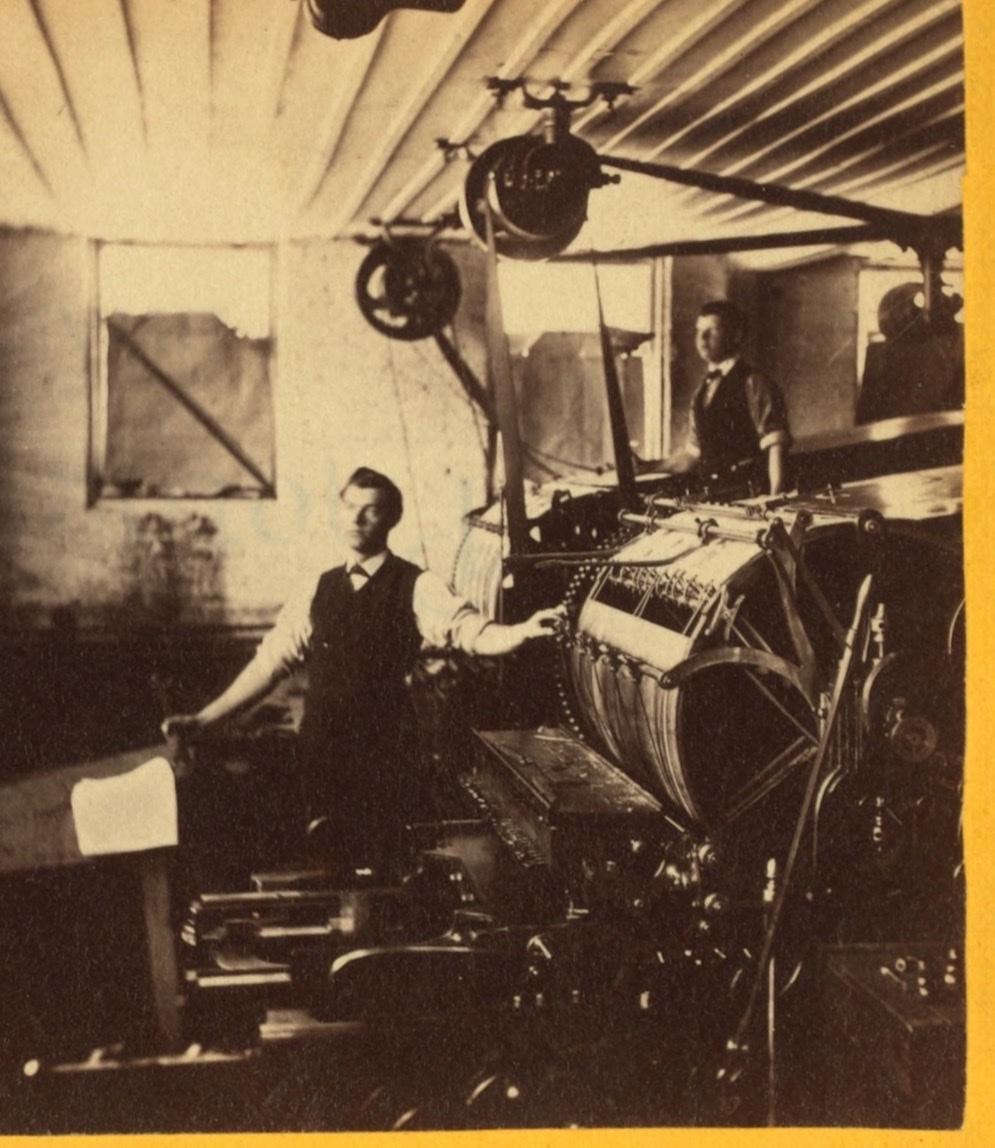
Before the printing press was invented, books had to be copied by hand, which made them costly and difficult to obtain. As a result, only wealthy individuals, churches, and scholars usually had access to knowledge. The printing press made it possible to produce books and written materials quickly and in large numbers. Information became more available, literacy increased, and ideas could spread rapidly across societies.
The consequences were enormous and long-lasting. The print revolution changed education, politics, religion, and society itself. It gave reformers and radicals a platform to challenge established beliefs and institutions. Most importantly, it created a growing reading public that could access information more easily than ever before.
The Renaissance flourished because information could finally reach ordinary people.